
Le Hoang Da
Buddhist Scholar
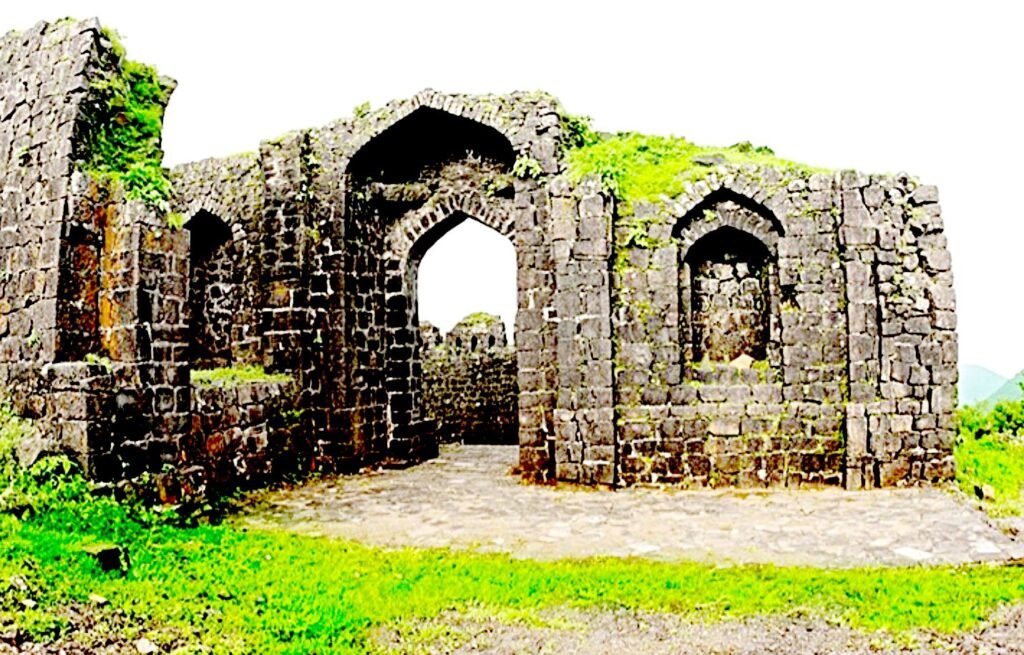
Figure 1: Amaravati Stupa remains in Andhra Pradesh, India.
Image credit: Photo by Shravan Mandepudi via Wikimedia Commons, CC BY 3.0.
I. The Spatial Logic of Sacred Presence
In the study of Indian Buddhist art and architecture, South India is frequently identified as a distinctive sculptural center, most notably associated with the Amarāvatī style and its densely animated reliefs. Yet such approaches often remain confined to questions of form and stylistic development, rarely probing more deeply into how architectural transformations reconfigured sacred space and reshaped ritual experience.
If Buddhism is understood not merely as a system of ideas but as a tradition embodied in material space, architecture cannot be regarded as a passive container of belief. Sacred space constitutes a structure that shapes how individuals walk, pause, circumambulate, or confront the presence of the Buddha. The stūpa, railing, corridor, pillar, central pedestal, and Buddha image are not isolated elements; they are components that organize ritual experience.
In the early phases of Indian Buddhism, the stūpa occupied the center of sacred space. More than a reliquary monument, it functioned as an axis of movement: pilgrims circumambulated it, read the reliefs along its perimeter, and participated in a visual and kinetic field structured around circular motion. This space did not direct attention toward a frontal point of confrontation; rather, it was organized around cyclical movement.
In South India, particularly at Amarāvatī, the stūpa model reached an extraordinary level of monumentality and refinement. The scale of the dome, the railing system extending hundreds of feet, and the dense proliferation of relief carvings and lotus medallions created a sacred environment rich in movement and visual depth. Yet within the same region and in subsequent centuries, significant transformations can be observed: the increasingly explicit appearance of anthropomorphic Buddha images, the reorganization of interior spatial arrangements, and the integration of devotional space with monastic layout.
These developments raise an important question: are we witnessing the decline of an artistic style, or a reconfiguration of sacred space? Earlier scholarship has sometimes invoked the notion of “decline” when comparing later remains with the monumental achievements of Amarāvatī. Such a characterization, however, may obscure a different reality. Rather than degeneration, sacred space may have been shifting from an exterior monumental model centered on the stūpa to an interior model focused on the Buddha image.
This study proposes to reinterpret the architectural trajectory of early South Indian Buddhism as a process of spatial reconfiguration. From the circumambulatory monumentality of Amarāvatī to the monastic complexes and interior halls at Śaṅkaram, a significant shift can be identified: from peripheral movement around a solid relic mass to visual convergence and direct encounter with the anthropomorphic Buddha within an interior space.
This approach does not seek to explain architectural change through specific doctrinal causes, nor does it equate the emergence of the Buddha image with any single ideological current. Instead, the analysis proceeds along three interrelated dimensions: (1) architectural structure, (2) spatial organization, and (3) the form of ritual experience. By examining Amarāvatī as the apex of a stūpa-centered spatial model, tracing the transitional phase in which the Buddha image increasingly assumed prominence, and finally analyzing the reconfiguration of monastic space at Śaṅkaram, this study argues that South India offers one of the clearest architectural trajectories demonstrating the transformation of Buddhist sacred space from monumental exteriority to image-centered interiority.
Understanding this process clarifies not only the history of Buddhist architecture in South India but also a broader principle: sacred space is not static. It evolves alongside the ways communities construct and experience sacred presence. Within material transformation, deeper shifts in the history of Buddhist practice become visible.
II. Monumentality and Circumambulatory Space: Amarāvatī as a Stūpa-Centered Architecture
If the preceding section established a theoretical framework for understanding sacred space as subject to reconfiguration, Amarāvatī offers a concrete case through which the stūpa-centered spatial model of early South India can be observed in its most fully developed form. Here, architecture achieved not only monumental scale but also embodied a ritual organization structured explicitly around circumambulatory movement.
Archaeological and epigraphic evidence indicates that Amarāvatī was regarded as a Mahācaitiya, a “great shrine” occupying a central position within ancient Andhra. The scale of its stūpa—its expansive dome and estimated height approaching ninety feet—was not merely a symbolic assertion of prestige. Monumentality here directly shaped ritual experience. Such a structure was not designed for distant contemplation as a static monument; it was constructed to be circled. The circular form and convex mass compelled bodily movement along the perimeter. Sacred space did not culminate in frontal confrontation but unfolded through a trajectory of motion organized by circularity.
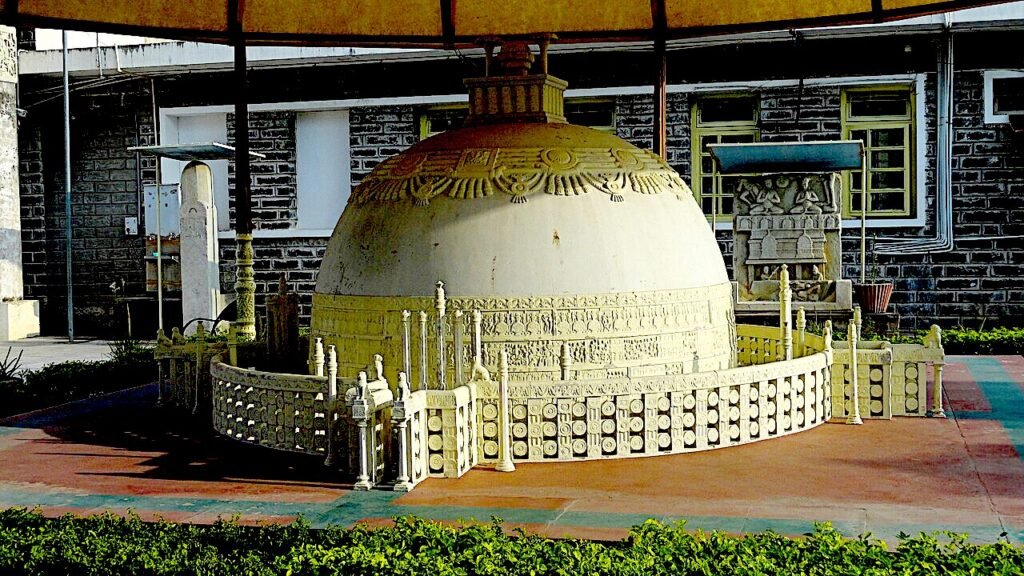
Figure 2: Scale model of the Amarāvatī stūpa on display, illustrating the circumambulatory railing and formal organization of the stūpa complex in early South Indian Buddhism. Image via energyenhancement.org (original source), licensed under Creative Commons.
This circumambulatory logic was reinforced by the extensive railing system encircling the monument, extending approximately six hundred feet in circumference. The railing functioned simultaneously as boundary, pathway, and narrative surface. Its pillars, crossbars, and enlarged lotus medallions were densely carved, generating a continuous visual field that accompanied the pilgrim’s movement. Relief scenes were not concentrated at a single focal point but distributed along the entire perimeter. As a result, bodily movement and visual perception operated in tandem: while walking, the pilgrim encountered a succession of narrative episodes, symbolic motifs, and ornamental forms. Sacred space thus became a narrative circle in motion.
Unlike architectural settings organized around a frontal image or a centralized statue, Amarāvatī did not install a dominant anthropomorphic figure at its core. The stūpa itself—solid, enclosed, and without accessible interior—remained the central mass. Experience unfolded along the outer edge rather than within an interior chamber. This spatial model may be characterized by three interrelated features: the monument as solid mass, the primacy of the periphery, and ritual enacted through continuous movement. Sacred presence was not encountered face-to-face but approached through circumambulation.
The visual program of the railing further intensified this dynamic. Earlier traditions that featured large, freestanding figures such as Yakṣas or Yakṣiṇīs gave way here to grouped compositions and continuous narrative reliefs. Surfaces between lotus medallions were densely filled with animated scenes and scrollwork, producing what may be described as a dense visual field. The eye did not settle on a single image; it moved fluidly from one motif to the next. This visual mobility mirrored the physical mobility of circumambulation. Architectural structure and visual rhythm worked together to prevent the formation of a single focal point.
The absence of monumental freestanding statues reinforced the non-focal character of the space. Figural imagery was integrated into the railing and relief surfaces rather than isolated as an object of direct confrontation. No singular anthropomorphic presence arrested the pilgrim’s gaze. Instead, sacred presence was apprehended through the totality of the monument and the cumulative sequence of images encountered in motion.
Taken together, these elements demonstrate that Amarāvatī represents a spatial model in which architecture directly organizes ritual practice. The circular form of the stūpa generates movement; the railing defines and sustains the path; the reliefs produce a continuous visual experience; and the solid, inaccessible core situates ritual activity outside rather than within. Sacred space here is fundamentally circumambulatory: it is structured around rhythmic repetition and peripheral movement rather than interior convergence.
Amarāvatī thus stands not only as a sculptural achievement but as the most complete articulation of a stūpa-centered spatial logic in early South India. Yet within this same region and in subsequent centuries, subtle signs of reorientation begin to appear. As anthropomorphic Buddha images assume greater prominence and interior architectural forms gain importance, the organization of sacred space gradually shifts. The implications of this transformation will be examined in the following section.
III. Ornamentation, Visual Density, and the Southern Visual Field
If the preceding section examined Amarāvatī as a monumental stūpa-centered structure organizing circumambulatory ritual, the present analysis turns to a more subtle dimension: the visual field generated by that architecture. Sacred space is shaped not only by mass and pathway but also by image density, decorative rhythm, and the treatment of stone surfaces. At Amarāvatī, spatial organization and visual organization operate together to produce a distinctive perceptual environment.
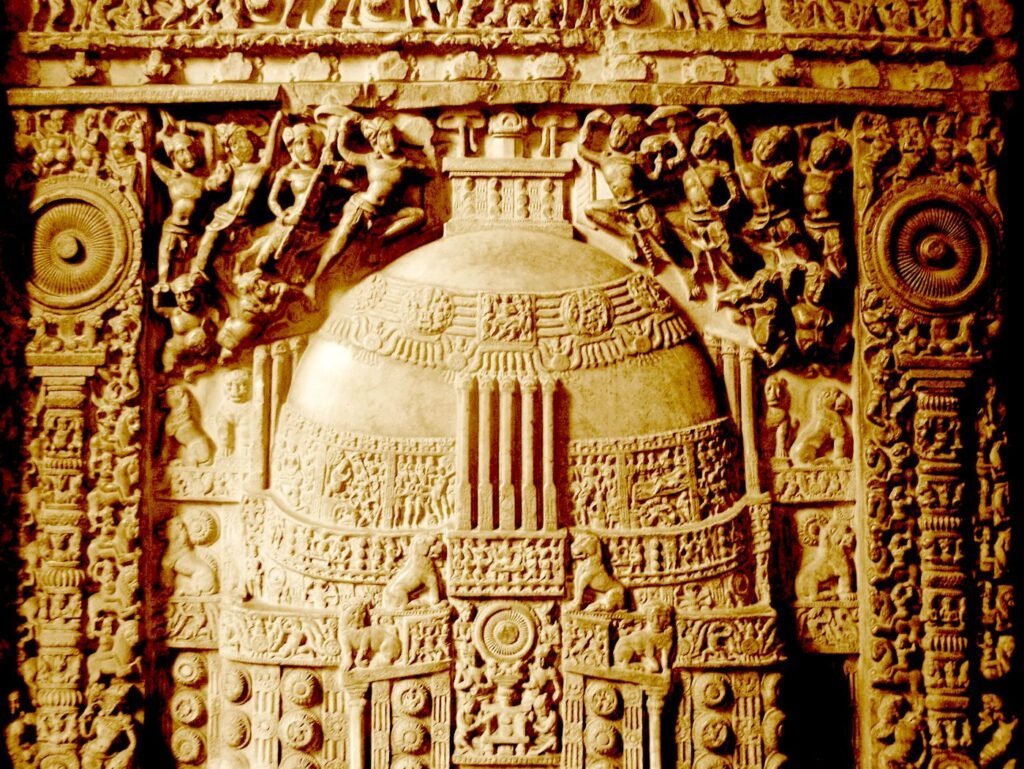
Figure 3: Relief panel of the Amarāvatī stūpa on display at a museum, illustrating the intricate narrative surface characteristic of early South Indian Buddhist art. Image credit: Photo by Shravan Mandepudi, via Wikimedia Commons, licensed under CC BY 3.0.
One of the most striking characteristics of Amarāvatī is the relative absence of colossal freestanding figures of the Yakṣa type that had appeared at earlier centers such as Bhārhut. Instead of placing a single dominant figure on a pillar face or flat surface, Amarāvatī favors grouped compositions, continuous narrative scenes, and figural imagery distributed across the entirety of the railing surface. This shift has clear spatial implications. A solitary monumental figure produces a visual halt: the viewer pauses, confronts, and concentrates on a singular body. By contrast, grouped compositions and sequential narratives encourage the eye to move rhythmically along the unfolding story. This visual mobility parallels the bodily mobility of circumambulation. As the pilgrim walks, the gaze travels. The visual structure therefore does not create a single center but a dispersed sequence of emphases distributed along the perimeter.
The enlarged lotus medallion, one of the defining motifs of Amarāvatī, further expands this visual field. Far from serving as mere ornamental filler, the medallion is magnified and placed prominently on railing pillars. Its concentric petals and balanced geometry introduce a cyclical rhythm into the surface design. At once symbolic and structural, the lotus divides the railing into repeated circular units. As pilgrims move along the circumambulatory path, successive medallions appear at regular intervals, reinforcing the sense of rhythmic recurrence that corresponds to circular movement. Ornament here is not superfluous decoration; it directly strengthens the experiential logic of the perimeter.
Compared with earlier centers, Amarāvatī displays a marked tendency to fill surfaces densely with imagery. Scrollwork, human figures, miniature architectural elements, and narrative scenes crowd the stone, narrowing empty spaces and producing what may be described as a dense visual field. Within such an environment, the eye does not settle on a single focal point but glides from image to image. Combined with circumambulatory movement, this density creates a continuous experiential flow. The pilgrim does not stand before an interior altar but participates in a stream of visual narration encircling the stūpa. Sacred space thus operates not only as three-dimensional mass but also as a two-dimensional narrative skin enveloping that mass.
The transformation of pillars and capitals contributes further to this spatial rhythm. Rather than preserving exclusively the animal capitals characteristic of Aśokan models, some Amarāvatī pillars bear caitya or miniature dagoba motifs at their summit, signaling a distinctively Buddhist reorientation of form. More significantly, the pillars function as rhythmic divisions along the extended railing. Their repeated intervals structure both bodily movement and visual progression. The cadence of pillars corresponds to the cadence of steps, binding architecture and ritual motion into a synchronized pattern.
The completion of the transition from wood to stone reinforces this effect. While early South Indian architecture shows traces of wooden prototypes, at Amarāvatī the lithic transformation reaches a high degree of refinement. Architectural details once executed in timber are rendered in stone with remarkable precision. This material shift is not merely technical; stone allows for sustained visual density and permanence. The sacred environment is not only organized circumferentially but inscribed into durable material, stabilizing the visual field across time.
Taken together—grouped compositions, recurring lotus medallions, dense carving, and rhythmic pillars—these features produce a space without a central point of frontal confrontation. There is no interior shrine containing a singular image that compels the pilgrim to stop and direct attention forward. Instead, sacred presence is apprehended through the totality of the stūpa mass and the dispersed symbolic sequence that surrounds it. This model may be described as a peripheral organization of sacred space, in which sanctity is approached through circumambulatory movement and a distributed visual field rather than through direct encounter.
If Amarāvatī represents the apex of this monumental peripheral space—where movement and visual density together structure ritual practice—the question then arises: what occurs when the anthropomorphic Buddha image begins to appear more prominently within the architectural environment? Will the dense visual field and circumambulatory logic remain central, or will sacred space gradually reorient itself toward a specific point of confrontation? The next section examines this moment of reorientation.
IV. Reorientation of the Center: The Emergence of the Buddha Image and the Redirection of Space
If Amarāvatī represents the apex of a stūpa-centered spatial model, the appearance of the anthropomorphic Buddha image within this very environment raises a crucial question: what happens when, within a structure organized around circumambulatory movement and a solid relic mass, the embodied figure of the Buddha begins to assert visual presence?
In its earlier phases, roughly between the second and first centuries BCE, the Buddha at Amarāvatī was represented primarily through aniconic symbols: the empty throne, the wheel of dharma, the Bodhi tree, or the miniature stūpa. These signs were fully compatible with the circumferential structure of space. Positioned along the railing and relief surfaces, they participated in the continuous visual field encircling the monument. Sacred presence was mediated symbolically and through the mass of the stūpa itself. The spatial organization did not require direct confrontation with a bodily image; sanctity remained distributed and indirect.
From approximately the second century CE onward, however, anthropomorphic representations of the Buddha began to appear with increasing clarity in the relief program. These figures, standing or seated, haloed and draped in finely carved garments characteristic of the southern style, introduced a new visual element into a space previously structured around dispersed symbolism. The significance of this development does not lie in the question of who first “invented” the Buddha image. Rather, it lies in the fact that within a spatial system already organized around the stūpa, the anthropomorphic body gradually assumed a more visible and stable presence.
Initially, these images remained integrated within the circumambulatory framework. They were embedded in narrative scenes and distributed along the railing, and pilgrims continued to move along the perimeter. The spatial model was still fundamentally peripheral. Yet the presence of an embodied figure introduced a new possibility: the potential convergence of the gaze upon a single form.
Within the dense visual field of Amarāvatī, the eye had previously moved fluidly across ornamental motifs and narrative sequences. The Buddha image altered this rhythm. A seated meditative figure, haloed and composed in stable posture, tends to hold the gaze longer than a decorative motif or animated scene. Even when situated within the circumferential structure, the anthropomorphic image begins to function as a focal element within the visual field. It does not immediately displace the stūpa as central mass, but it introduces the possibility of direct encounter within a system previously defined by circular motion.
This transformation was gradual rather than abrupt. As anthropomorphic images became more prevalent during the second and third centuries CE, spatial organization began to accommodate an additional ritual orientation. Circumambulation did not disappear, but it was complemented by moments of pause and frontal engagement. Whereas the stūpa-centered model structured the pilgrim’s body along a circular trajectory around an inaccessible core, the presence of the Buddha image gradually established a new axis: the axis of confrontation between devotee and image.
For a time, these two orientations coexisted. The space continued to organize movement around the stūpa while simultaneously allowing for visual convergence upon a figure. This coexistence marks a transitional phase in which the logic of peripheral circulation and the logic of focal encounter overlapped within the same architectural environment.
Although the emergence of the Buddha image at Amarāvatī did not immediately generate a fully interiorized sacred space, it prepared the conditions for such a development. Once the anthropomorphic figure could command sustained visual attention and serve as a point of ritual focus, the architectural reorganization of space around a frontal axis became conceivable. The Buddha image was not merely a new iconographic addition; it carried within it the potential to restructure spatial logic. From a monumental exterior environment in which sanctity was approached through circumambulatory movement, space began to anticipate the possibility of convergence upon a specific central presence.
The appearance of the Buddha image at Amarāvatī should therefore not be interpreted as an abrupt replacement of the stūpa, but as a gradual redirection within the sacred spatial field. From the second century CE onward, the anthropomorphic image increasingly introduced visual and ritual convergence into a system that had previously been non-focal. This emergent capacity for encounter would find fuller architectural expression in the monastic complexes and interior halls at Śaṅkaram, where sacred space would no longer be organized primarily around an exterior relic mass but around a central image situated within an interior setting.
V. Monastic Reconfiguration: Śaṅkaram and the Interiorization of Sacred Space
If Amarāvatī represents the apex of a monumental exterior space organized around the stūpa, the remains at Śaṅkaram reveal a markedly different configuration. Here, sacred space becomes progressively interiorized and reorganized around a central image. This transformation should not be interpreted as artistic decline but as a structural shift in the organization of ritual space.
Unlike Amarāvatī, where a large stūpa encircled by a railing structured circumambulatory ritual, the caves and architectural remains at Śaṅkaram display square or nearly square halls in which the spatial axis no longer revolves around a solid exterior relic mass but converges upon a point within the interior. In certain caves, the dagoba is no longer placed at the apsidal end in the manner of western Indian caitya halls; instead, it may appear centrally positioned within the hall or elevated upon a pedestal. In later phases, this central position is replaced by a Buddha image installed against the rear wall or upon a raised platform.
This shift in placement marks a decisive spatial transformation. Rather than moving around an inaccessible core, the devotee advances toward and confronts a figure situated within an enclosed space. The logic of circular movement gives way to the logic of frontal encounter.
A further distinctive feature of Śaṅkaram is the integration of devotional and residential functions. Whereas earlier architectural traditions often maintained a clearer separation between the caitya hall as ritual space and the vihāra as monastic residence, several structures at Śaṅkaram suggest the merging of these functions within a single complex. A central hall containing a dagoba or Buddha image may be surrounded by monastic cells arranged along terraces or adjacent chambers. Sacred space thus becomes embedded within daily monastic life rather than standing apart as an isolated monument.
This integration carries clear ritual implications. Sacred presence is now situated within a stable interior environment rather than tied to circumambulation around an exterior stūpa. The transformation from exterior monument to interior hall alters the way the body engages the sacred. This spatial reorientation becomes materially visible in the rock-cut Buddha images at Śaṅkaram.
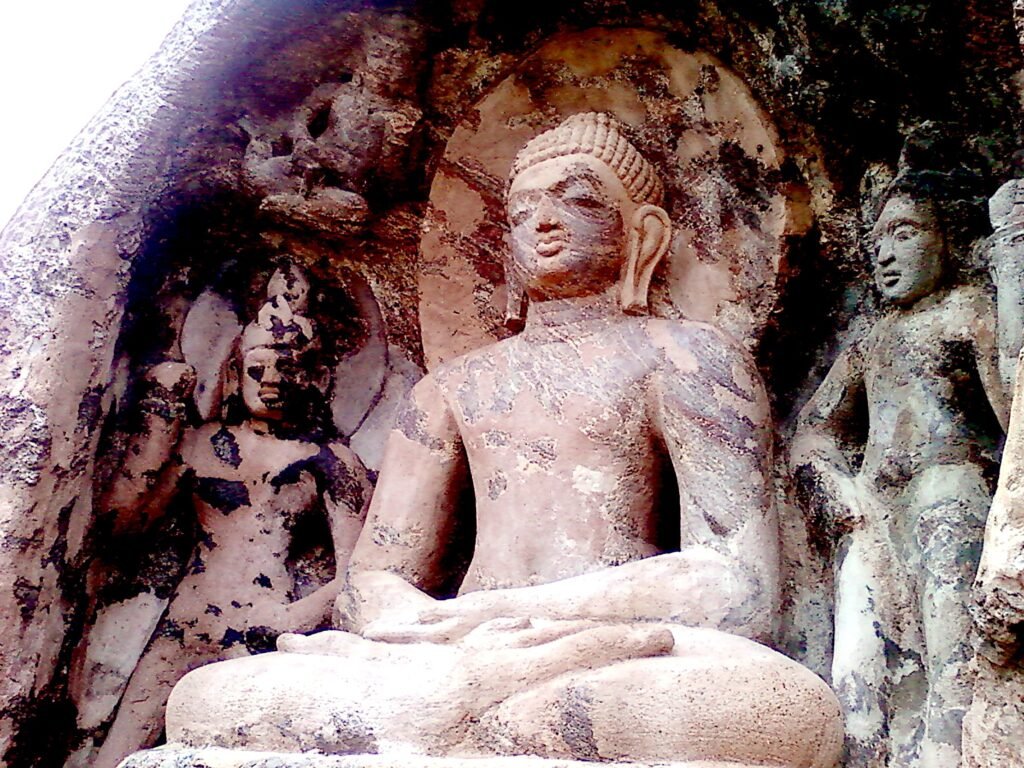
Figure 4: Rock-cut seated Buddha at Bojjannakonda (Śaṅkaram complex), Andhra Pradesh, exemplifying interior sacred space oriented toward iconic encounter in early South Indian Buddhism. Image credit: Photo by Narayan Sanyal, via Wikimedia Commons, licensed under CC BY-SA 3.0.
The shift in spatial geometry reinforces this reorientation. The transition from apsidal forms—where circumambulatory movement could still be sustained—to square or nearly square halls clarifies the axial structure of the interior. A square hall with an image or pedestal positioned at the rear establishes a linear progression: one enters, advances forward, pauses, and confronts. The architecture no longer compels circular movement but organizes convergence. It is here that the distinction between a stūpa-centered model and an image-centered model becomes most evident.
Material transformation further consolidates this change. While Amarāvatī had already achieved a high degree of lithic refinement in its exterior structures, Śaṅkaram represents a fully lithic interior environment carved directly into living rock. Pillars, pedestals, and walls are hewn from the stone itself, creating a durable and enclosed space. The open-air railing surrounding a relic mound is replaced by a controlled interior setting in which light, sightlines, and movement are carefully structured. Sacred space is no longer primarily a site to be circled; it becomes a chamber to be entered and faced.
The bodily orientation of ritual practice thus undergoes a corresponding shift. At Amarāvatī, the ritual body moves along the perimeter. At Śaṅkaram, the ritual body advances into space and comes to rest before a central presence. Circumambulation does not necessarily disappear, but it is no longer the dominant organizing principle. Encounter gradually supersedes movement as the primary axis of sacred engagement.
Earlier scholarship occasionally regarded later South Indian remains as less refined than the monumental achievements of Amarāvatī. Yet when viewed from the perspective of spatial and ritual organization, a different logic emerges. The reduction of decorative density does not signal diminished creativity; it reflects a shift in emphasis from peripheral surface elaboration to interior focal clarity. Sacred space no longer requires an expansive narrative skin encircling a relic mound; it requires a clearly defined point of convergence within an interior.
Śaṅkaram therefore stands not merely as a later phase of South Indian Buddhism but as a clear expression of the interiorization and reconfiguration of sacred space. From the monumental circumambulatory stūpa at Amarāvatī to the square hall centered upon a Buddha image at Śaṅkaram, one can trace an architectural trajectory in which spatial structure and ritual form transform together. The following section situates this development within a broader regional network, preventing an overly isolated reading of South India’s architectural evolution.
VI. Maritime Networks and Regional Connectivity: South India within the Wider Buddhist World
Thus far, the trajectory from Amarāvatī to Śaṅkaram has been analyzed as an internal architectural development within South India. Yet it would be misleading to treat this transformation as a self-contained phenomenon. In the early centuries of the Common Era, South India was an active coastal region participating in maritime trade routes that linked the Indian subcontinent with Sri Lanka and extended further into Southeast Asia. Within such a context, Buddhist architecture cannot be understood solely as a local product; it reflects ongoing regional interactions.
Ancient Andhra occupied a strategic position along the Bay of Bengal’s maritime corridors. Ports and commercial centers functioned as intermediaries in the exchange not only of goods but also of ideas, artistic motifs, and construction techniques. Architectural forms and decorative programs were capable of circulating alongside monastic communities and mercantile networks. The monumental scale and refinement of Amarāvatī therefore signify more than local artistic vitality; they correspond to the region’s embeddedness within broader circuits of connectivity.
A particularly important point of comparison is Sri Lanka, especially the center of Anurādhapura. There, large dagobas likewise occupied the center of sacred space, exhibiting monumentality and clearly structured circumambulatory organization. Formal parallels in stūpa construction and certain decorative features suggest the existence of an architectural field of exchange between South India and Sri Lanka. Two implications follow. First, the stūpa-centered model was not an isolated development but part of a wider regional system. Second, the later shift toward interior spaces organized around anthropomorphic images must also be situated within processes of interregional adaptation and exchange. South India was not peripheral; it was a node within a maritime Buddhist network.
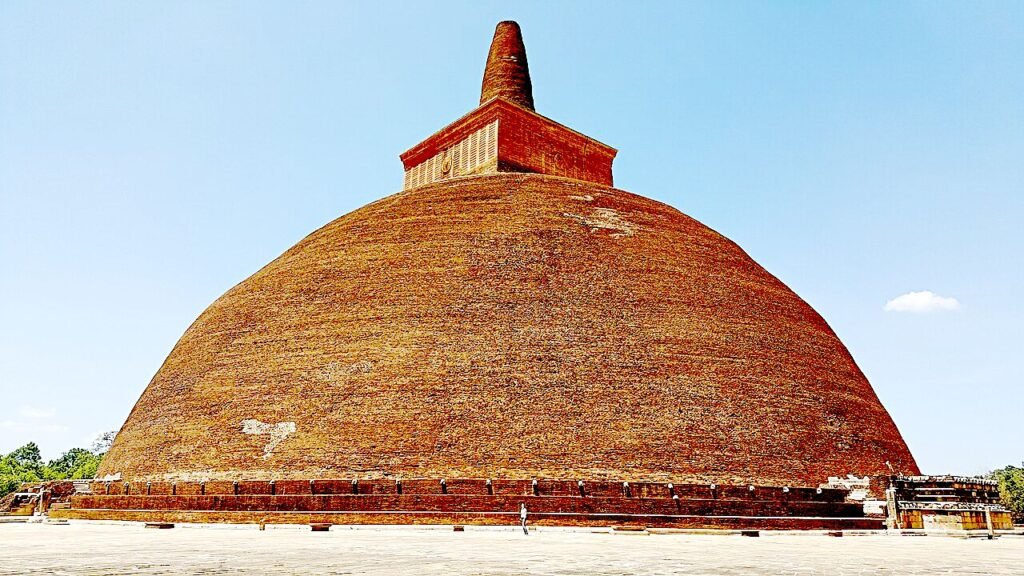
Figure 5: Abhayagiri Dagoba (stūpa), Anurādhapura, Sri Lanka. The monument exemplifies large-scale stūpa-centered sacred architecture within the wider South Asian Buddhist maritime network. Image credit: Photo via Wikimedia Commons, licensed under Creative Commons.
Architectural details at Amarāvatī, such as the transformation of capitals and the use of caitya motifs atop pillars, further demonstrate local creativity within shared traditions. When viewed in a regional framework, South India emerges not merely as a recipient of influences but as an active participant in reshaping architectural forms to suit its ritual environment. This capacity for adaptation continued into later phases. The reorganization of interior halls at Śaṅkaram—the repositioning of the dagoba, the installation of Buddha images, and the integration of monastic cells—should not be read as technical decline but as architectural adjustment to evolving communal and monastic contexts.
The transformation from stūpa-centered exterior space to image-centered interior thus occurred within a dynamic network rather than in isolation. Monks, artisans, and merchants moved between coastal regions, carrying with them building practices, decorative vocabularies, and spatial models. The interiorization of sacred space at Śaṅkaram represents not an abrupt rupture but a regional variation within a broader Buddhist architectural continuum. South India both absorbed and contributed to this ongoing process.
Yet even within this wider network, South India provides an unusually clear architectural trajectory. One can observe, with relative continuity, the monumental exterior stūpa at Amarāvatī, the gradual integration of the Buddha image into the circumambulatory structure, and the subsequent reconfiguration of monastic interiors at Śaṅkaram. This sequence makes the region a particularly instructive case for examining the transformation of sacred space in early Indian Buddhism.
Situating South India within maritime and regional networks prevents an overly simplified or isolated interpretation. At the same time, the architectural developments at Amarāvatī and Śaṅkaram reveal a discernible process of spatial reconfiguration. The next section directly engages earlier interpretations that described later phases as “decline,” asking whether what we observe is degeneration or structural transformation.
VII. Transformation Rather Than Decline: Rethinking the Concept of “Decline”
In early twentieth-century scholarship, later South Indian remains were often evaluated in comparison with the monumental achievements of Amarāvatī. Because decorative density diminished, scale no longer reached the same level of grandeur, and the intricate railing systems of the earlier phase did not persist with equal elaboration, some scholars characterized subsequent developments as “decline.” Viewed purely through stylistic criteria, such changes could appear as a reduction in technical skill or artistic vitality.
Yet this interpretation rests upon an implicit assumption: that the monumental exterior stūpa of Amarāvatī constitutes a fixed normative standard against which all later phases must be measured. Once this model is treated as the absolute apex, any variation from it risks being interpreted as degeneration.
The framework proposed in this study suggests a different perspective.
When sacred space shifts from a stūpa-centered exterior model to an image-centered interior one, aesthetic and technical criteria necessarily shift as well. A square interior hall does not require a railing extending hundreds of feet, nor does a centrally positioned Buddha image demand a dense perimeter of narrative reliefs. A reduction in decorative density does not inherently signal diminished creativity; it may reflect a reorientation of emphasis—from surrounding surface elaboration to interior focal clarity. The more productive question, therefore, is not why technique declined, but why spatial organization changed.
The contrast between monumentality and interiority clarifies this shift. Amarāvatī represents a monumental exterior environment in which sacred presence is approached through circumambulatory movement around a solid relic mass. Śaṅkaram, by contrast, organizes sacred space within an interior setting centered upon a figure capable of direct confrontation. These are not higher and lower stages along a linear scale but distinct modes of ritual organization. Monumentality emphasizes scale and movement; interiority emphasizes convergence and encounter. If evaluation remains anchored in scale and surface density, the interior model will inevitably appear lesser. If attention turns instead to spatial structure and ritual orientation, a logic of reconfiguration rather than decline becomes visible.
The language of decline has also sometimes been linked to the assumption that architectural change reflects a weakening of Buddhism in the region. Yet archaeological evidence and later pilgrimage records indicate continued Buddhist presence in South India for centuries after the height of Amarāvatī. The persistence of monastic complexes and interior devotional spaces suggests not disappearance but adaptation. Sacred space did not collapse; it was reorganized.
Replacing the term “decline” with “reconfiguration” allows the architectural history of South India to be understood according to its internal dynamics. Later phases need not be read as diminished echoes of a lost golden age; they may instead represent the development of a different structural emphasis. Amarāvatī and Śaṅkaram do not occupy opposite ends of a trajectory from perfection to decay. They embody two distinct models of sacred spatial organization within the same tradition.
Abandoning evaluative language in favor of structural analysis shifts the terms of inquiry. Instead of asking which phase is more refined or aesthetically superior, one may ask: how is space organized? How is the ritual body oriented? Where is the sacred center located? These questions reveal the movement from stūpa-centered exteriority to image-centered interiority as a coherent transformation rather than a downward slope.
VIII. From Circumambulatory Movement to Interior Encounter
This study has examined the architectural development of early South Indian Buddhism as a process of reconfiguring sacred space. Rather than treating Amarāvatī and Śaṅkaram as superior and inferior stages within a stylistic sequence, the preceding analysis has demonstrated that they represent two distinct models of ritual spatial organization.
At Amarāvatī, the monumental stūpa and its encircling railing system generated an exterior environment structured around circumambulatory movement. Sacred presence was not encountered through direct frontal confrontation but through motion around a solid relic mass. The dense relief program, the rhythmic repetition of lotus medallions, and the regular cadence of pillars reinforced this spatial logic: the gaze moved with the body, and ritual was realized through cyclical trajectory.
The increasingly explicit appearance of anthropomorphic Buddha images from approximately the second century CE did not immediately displace this model. Instead, it introduced a new possibility of visual convergence. Within a space previously organized as non-focal, the embodied image gradually acquired the capacity to hold the gaze and to establish a direct axis of encounter. This marked a significant transitional moment in the structure of sacred space.
At Śaṅkaram, this reconfiguration became more pronounced. Square halls, central pedestals, and integrated monastic interiors reveal a spatial model no longer primarily organized around an exterior relic mass but around an accessible and confrontable center. Ritual movement ceased to be structured predominantly by circular motion around a stūpa and instead followed a linear axis of entry, advance, pause, and encounter before an image.
If Amarāvatī represents a model of peripheral monumentality, Śaṅkaram embodies a concentrated interiority. These two configurations do not stand on a scale of decline but along an axis of transformation. The shift from dense circumferential ornamentation to interior focal clarity does not reflect diminished technical capacity; it reflects a reorientation in the organization of space and ritual experience.
Placed within the broader framework of maritime and regional networks, this transformation was not an isolated development. Yet South India offers an unusually coherent trajectory through which this shift can be observed. The relative continuity from monumental stūpa to interiorized image-centered hall renders the region a particularly instructive case for studying the structural evolution of sacred space in early Indian Buddhism.
From this analysis emerges a broader insight: sacred space is not a fixed form. It changes alongside the ways communities organize ritual practice and locate the sacred center within material environments. The movement from stūpa-centered exteriority to image-centered interiority demonstrates that architecture does not merely reflect religious practice; it shapes and reshapes the manner in which that practice is experienced.
The progression from Amarāvatī to Śaṅkaram should therefore be understood not as the degeneration of a style but as a shift from circumambulatory movement to interior encounter—a reconfiguration of sacred space within the South Indian Buddhist tradition.
Related Studies:
Bibliography
Barrett, Douglas. Early Buddhist Architecture in India. London: Alec Tiranti, 1965.
Brown, Percy. Indian Architecture (Buddhist and Hindu Periods). 5th ed. Bombay: D. B. Taraporevala Sons, 1965.
Coomaraswamy, Ananda K. History of Indian and Indonesian Art. New York: Dover Publications, 1965.
Dehejia, Vidya. Early Buddhist Rock Temples: A Chronological Study. Ithaca: Cornell University Press, 1972.
Fergusson, James. History of Indian and Eastern Architecture. Revised by James Burgess. London: John Murray, 1910.
Huntington, Susan L. The Art of Ancient India: Buddhist, Hindu, Jain. New York: Weatherhill, 1985.
Michell, George. The Penguin Guide to the Monuments of India, Volume 1: Buddhist, Jain, Hindu. London: Penguin Books, 1989.
Rowland, Benjamin. The Art and Architecture of India: Buddhist, Hindu, Jain. Harmondsworth: Penguin Books, 1953.
Sivaramamurti, C. Amaravati Sculptures in the Madras Government Museum. Madras: Government Press, 1950.