Buddhist Studies

Research on Buddhist traditions across early and later developments, integrating textual study, historical analysis, archaeology, and the study of classical manuscripts.

This section approaches Buddhism not only as a system of thought, but as a complex historical and cultural formation shaped across regions, periods, and intellectual contexts.

kamalasila buddhist philosophy logic tradition

Buddhist Logic as a Discipline of Epistemic Restraint: From Perception to the Limits of Inference

What does it mean to know something—and when are we justified in making a claim about the world? This essay explores Buddhist logic not merely as a system of reasoning, but as a discipline that reveals the conditions and limits of knowledge itself. From non-conceptual perception to judgment and inference, it shows how each step in cognition introduces both clarity and the risk of error. By examining how concepts shape experience, how inference depends on relational structures, and how absence can mislead understanding, the study repositions logic as a practice of restraint rather than assertion. Ultimately, it argues that wisdom lies not in saying more about the world, but in knowing when a claim is justified—and when silence is the most precise response.
Buddhist Logic as a Discipline of Epistemic Restraint: From Perception to the Limits of Inference Read More »

asanga maitreya tusita tradition tantric authority

Before Esotericism: Rethinking the Origins and Meaning of the Guhyasamāja Tantra

This article reexamines the Guhyasamāja Tantra not as a late deviation, but as a systematic reconfiguration of Buddhist thought. Rather than focusing on historical origins, it approaches Tantra at the level of cognitive structure and symbolic expression. Elements often seen as problematic—such as transgression and twilight language (sandhyābhāṣā)—are interpreted as strategies for destabilizing dualistic cognition. Drawing on the concept of parāvṛtti, the study argues that Tantra is oriented not toward modifying behavior, but toward transforming the conditions of perception itself.

Before Esotericism: Rethinking the Origins and Meaning of the Guhyasamāja Tantra Read More »

marpa lotsawa crossing the himalaya

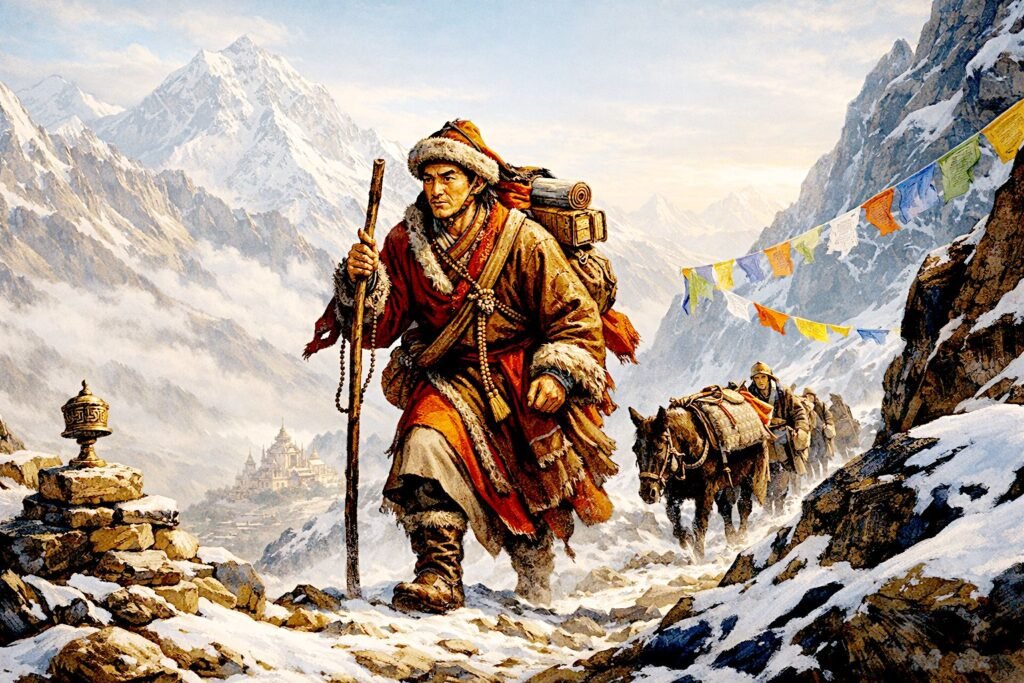
Pilgrims Across the Himalaya: Routes of Buddhist Transmission Between India and Tibet

For centuries, the Himalayan mountains were not merely a geographical barrier separating India and Tibet but a corridor through which Buddhist teachings, texts, and traditions traveled. This article explores the pilgrimage routes that crossed the Himalaya, the monastic centers that sustained these journeys, and the translators and masters who carried the Dharma across the mountains, revealing how trans-Himalayan mobility shaped the formation of Tibetan Buddhism.

Pilgrims Across the Himalaya: Routes of Buddhist Transmission Between India and Tibet Read More »

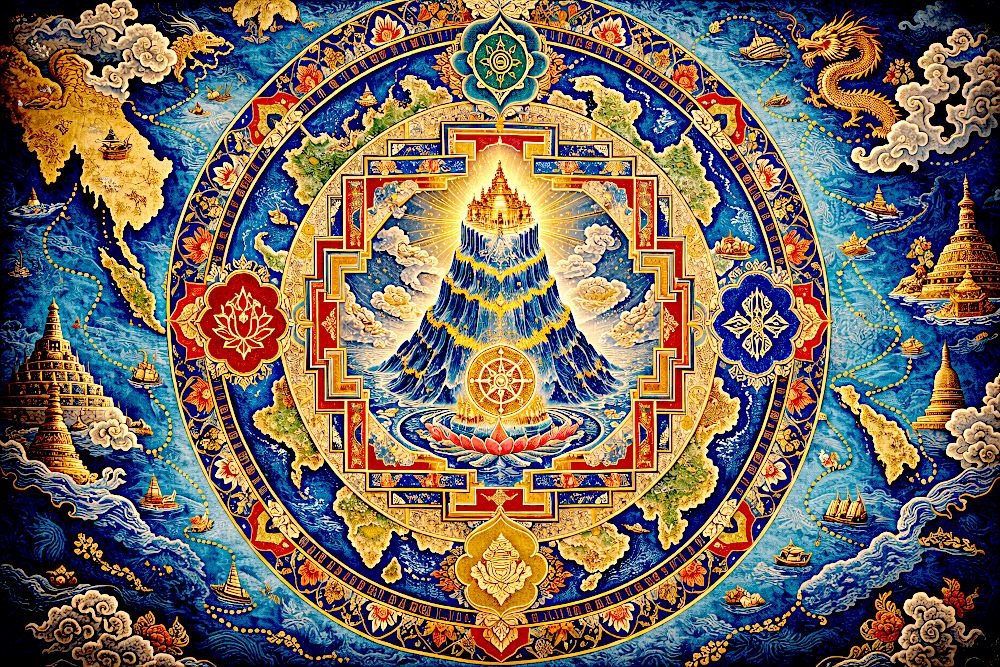
vajrayana mandala sacred geography mount sumeru

The World as Mandala: Sacred Geography in the Late Vajrayāna World

This article explores how the sacred geography of the Vajrayāna world can be understood through the symbolic structure of the mandala. By examining Buddhist pilgrimage sites, monumental stupas, and maritime networks across the Indian Ocean, it interprets the journeys of Buddhagupta as movement through a vast Tantric cosmological landscape.

The World as Mandala: Sacred Geography in the Late Vajrayāna World Read More »

buddhist monks maritime journey indian ocean

Maritime Buddhism: Vajrayāna Networks Across the Indian Ocean

This article explores the maritime world of Buddhism across the Indian Ocean, tracing how trade routes, sacred islands, and traveling practitioners contributed to the formation of a mobile Buddhist network stretching from India and Sri Lanka to East Africa and Southeast Asia. Through historical sources and geographical imagination preserved in Buddhist traditions, the study reveals how the ocean itself became a space of religious encounter and transmission.

Maritime Buddhism: Vajrayāna Networks Across the Indian Ocean Read More »

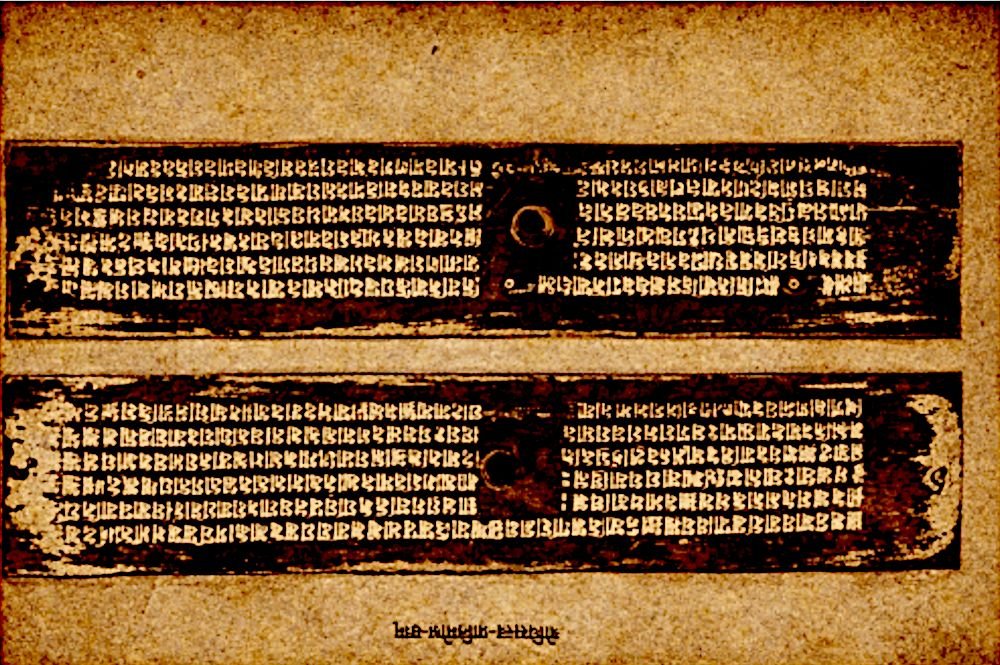
bodhisattva pratimoksa sanskrit palm leaf manuscript nepal

The Bodhisattva-Prātimokṣa Sūtra: Manuscript Tradition and the Structure of the Bodhisattva Discipline

This study examines the Bodhisattva-Prātimokṣa Sūtra, an important yet relatively understudied text that illuminates the formation of Bodhisattva discipline within the Mahāyāna tradition. Drawing on the surviving Sanskrit manuscript tradition from Nepal and related Mahāyāna sources such as the Bodhisattvabhūmi and the Upāli-paripṛcchā Sūtra, the article explores the composite character of the text, the ritual structure of receiving the Bodhisattva vows, and the ethical framework of the threefold discipline (tri-vidha śīla). Through this analysis, the study argues that the Bodhisattva-Prātimokṣa represents a significant stage in the historical transformation of Buddhist discipline, where the classical concept of prātimokṣa was reinterpreted within the Mahāyāna ideal of universal liberation.

The Bodhisattva-Prātimokṣa Sūtra: Manuscript Tradition and the Structure of the Bodhisattva Discipline Read More »

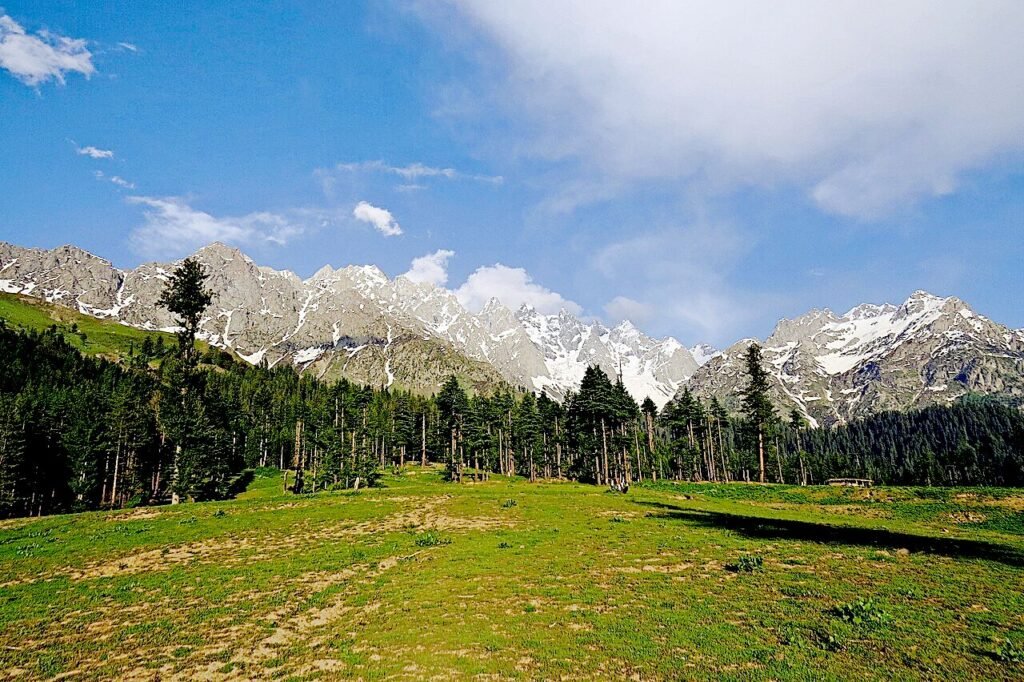
swat valley hindu kush boyun plains uddiyana

Tantric Buddhism and the Himalayan World: Cultural Exchanges and Religious Transformation

Tantric Buddhism emerged through a long process of religious and cultural interaction rather than as a sudden innovation within Indian Buddhism. By examining the geography of early Tantric centers, the symbolism of yoginī and ḍākinī traditions, and linguistic traces in Tantric texts, this article argues that Tantra developed within the dynamic cultural networks of the Himalayan world.

Tantric Buddhism and the Himalayan World: Cultural Exchanges and Religious Transformation Read More »

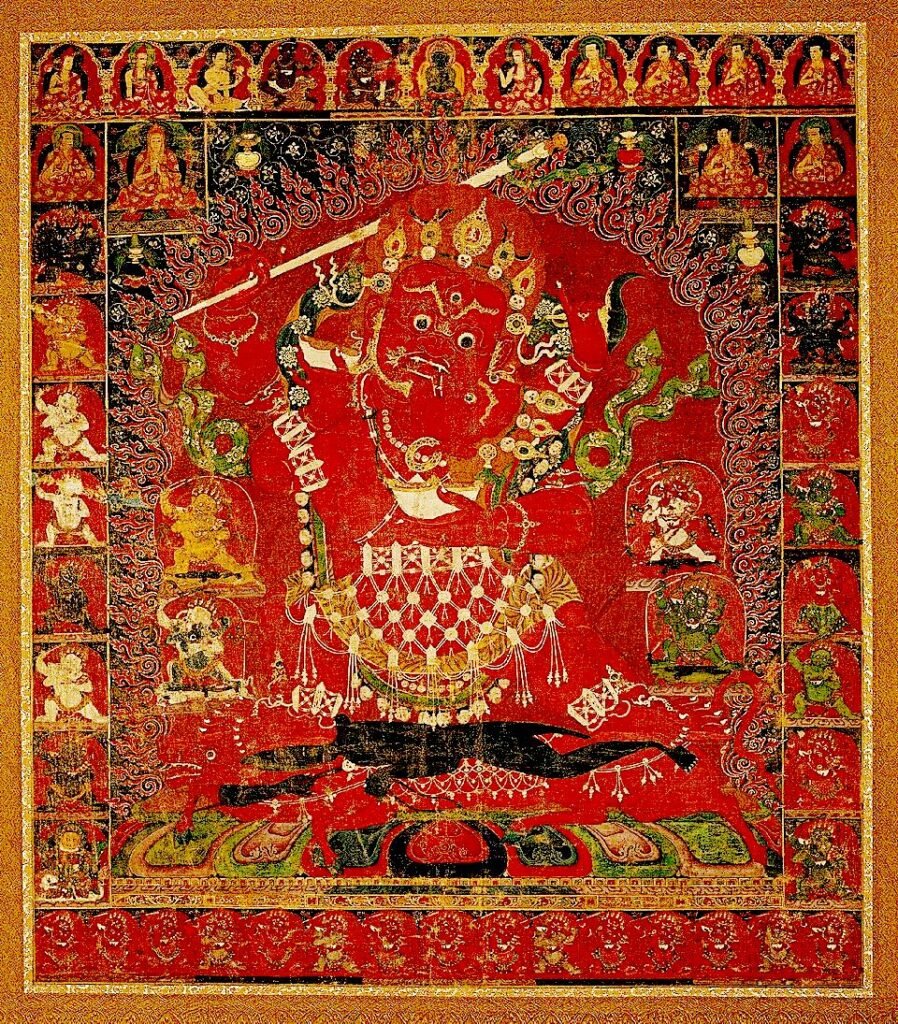
rakta yamari wrathful deity boston mfa 16th century

Yamāri before Yamāntaka: A Wrathful Manifestation of Mañjuśrī in Early Vajrayāna

This article examines the figure of Yamāri in the context of Pāla-period Tantric Buddhism and its relationship to the later deity Yamāntaka. Drawing on tantric textual sources such as the Sādhanamālā and the iconographic analysis of a rare three-headed Yamāri statue from the Dacca region first published by Niradbandhu Sanyal in 1929, the study suggests that key motifs of the Yamāntaka tradition were already present in earlier Indian Vajrayāna environments.

Yamāri before Yamāntaka: A Wrathful Manifestation of Mañjuśrī in Early Vajrayāna Read More »

mahabodhi temple bodh gaya india buddhist pilgrimage site

Bodh-Gaya in the Late Twelfth Century: Historical Evidence from the Jayacandra Inscription

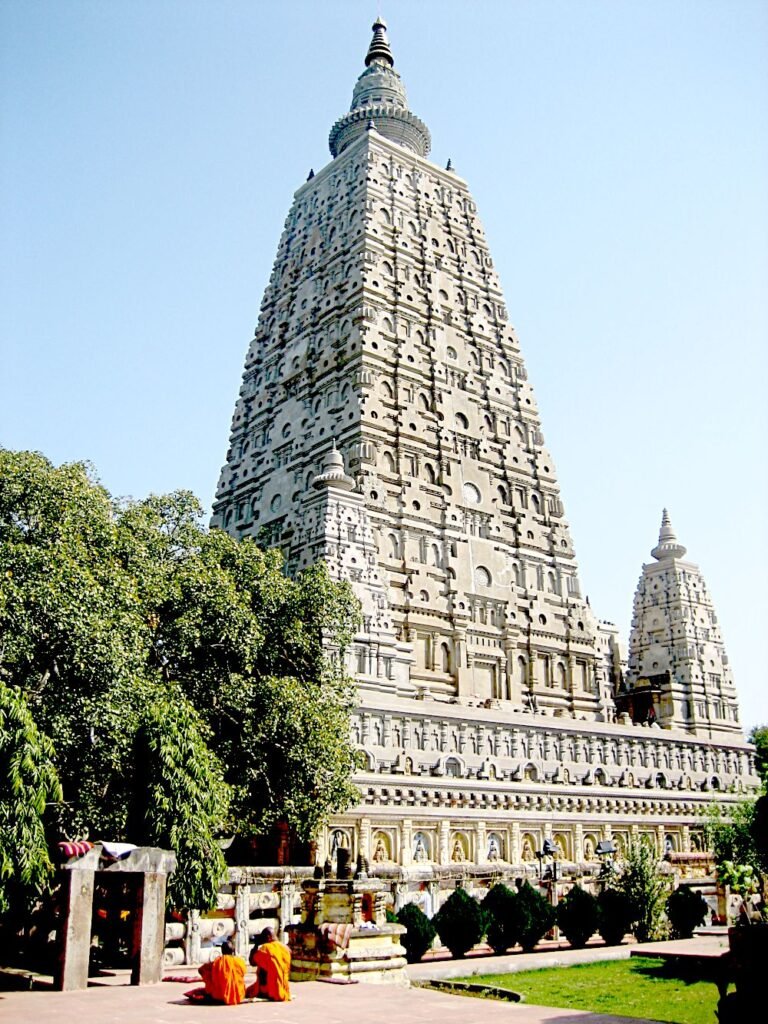
The Jayacandra inscription from Bodh-Gaya offers a rare glimpse into Buddhist life in eastern India during the late twelfth century. Through epigraphic analysis and historical contextualization, this study explores the religious symbolism, monastic networks, and political patronage that shaped the Mahābodhi region at the end of the medieval period.

Bodh-Gaya in the Late Twelfth Century: Historical Evidence from the Jayacandra Inscription Read More »