Buddhist Studies

Research on Buddhist traditions across early and later developments, integrating textual study, historical analysis, archaeology, and the study of classical manuscripts.

This section approaches Buddhism not only as a system of thought, but as a complex historical and cultural formation shaped across regions, periods, and intellectual contexts.

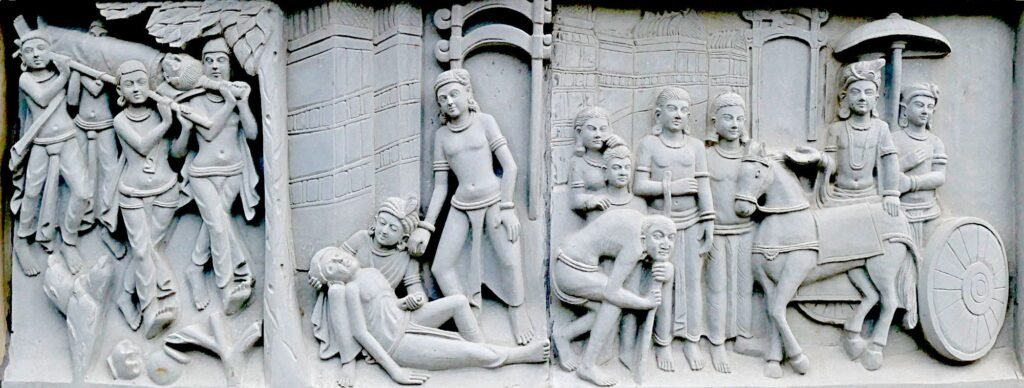
four sights three signs mahabodhi vihara hyderabad

A Philosophical Reading of the Four Sights: Saṃsāra, Nirvāṇa, and the Three Marks of Existence

The story of the Four Sights—old age, sickness, death, and the ascetic—has long been regarded as a decisive moment in the life of the Bodhisattva Siddhartha. This essay offers a philosophical reading of this well-known motif, examining how these encounters reveal the existential structure of saṃsāra and point toward the possibility of liberation. By bringing together textual traditions, Buddhist philosophy, and early Buddhist art, the article suggests that the Four Sights can be understood as a symbolic expression of the Three Marks of Existence while also illuminating the contrast between saṃsāra and nirvāṇa in Buddhist thought.

A Philosophical Reading of the Four Sights: Saṃsāra, Nirvāṇa, and the Three Marks of Existence Read More »

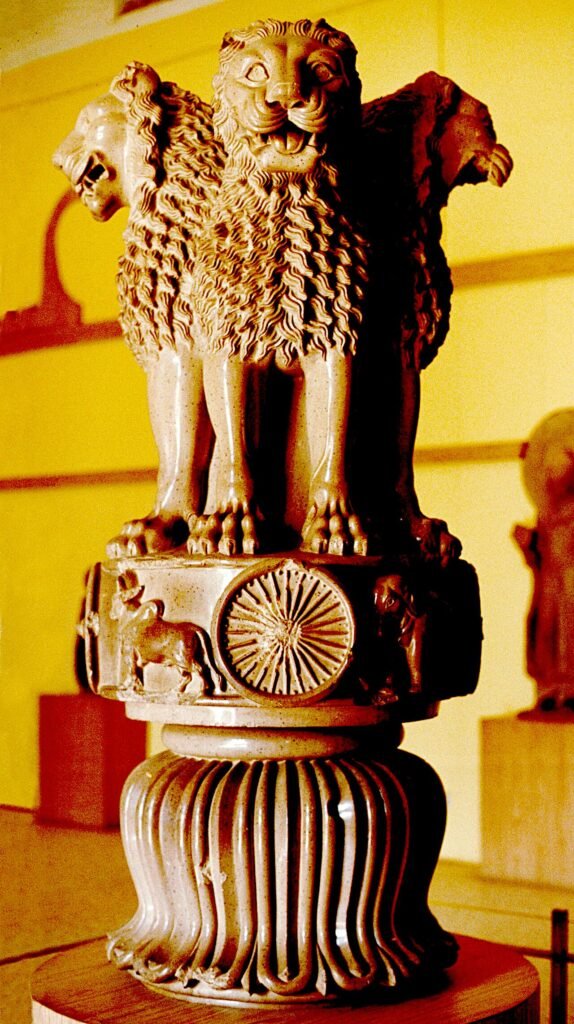
lion capital of ashoka sarnath

Aśoka’s Mission to Sri Lanka: Chronicle, Epigraphy, and Historical Reconstruction

Did Aśoka’s reign truly mark the beginning of Buddhism in Sri Lanka? By examining the Sri Lankan chronicles alongside the Aśokan inscriptions, this study explores how literary tradition and epigraphic evidence together illuminate the historical context of the Buddhist mission to the island in the third century BCE.

Aśoka’s Mission to Sri Lanka: Chronicle, Epigraphy, and Historical Reconstruction Read More »

kamma accumulation intention tea drops buddha

Kamma Without Fate: Intention and the Architecture of Freedom in Early Buddhism

Early Buddhist texts are often misunderstood as teaching a doctrine of karmic fate. Yet the Nikāyas present kamma not as a fixed destiny but as a process of intentional action operating within conditional causality. Because this process is structured yet open, transformation becomes possible. Through right understanding and the Noble Eightfold Path, the momentum of past action can be redirected, and the cycle of karmic accumulation can ultimately cease.

Kamma Without Fate: Intention and the Architecture of Freedom in Early Buddhism Read More »

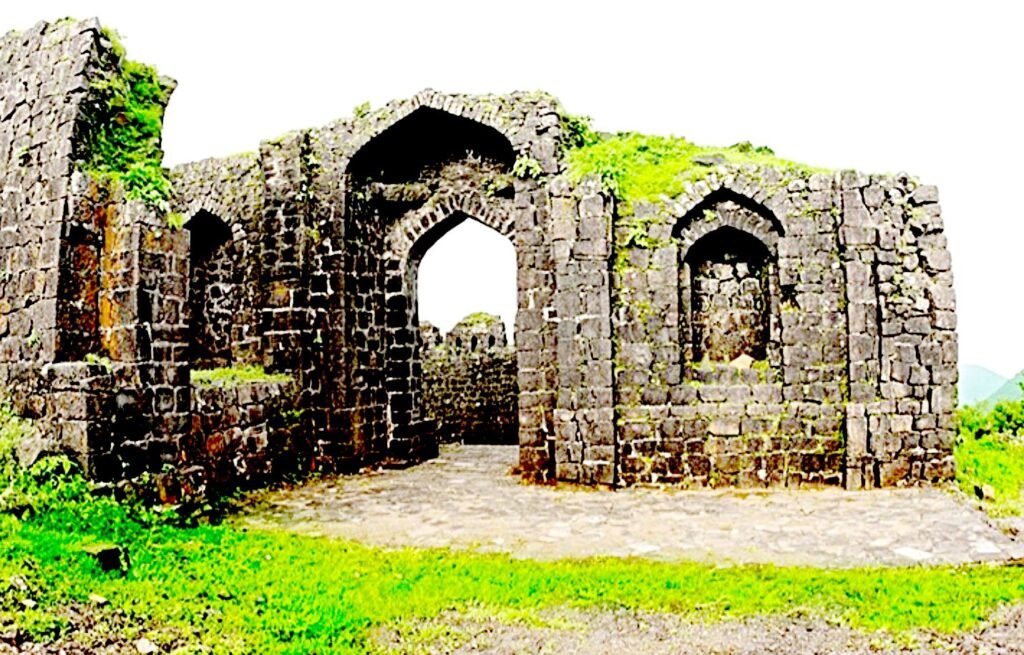
amaravati mahacaitiya ruins andhra pradesh

Circumambulation and Encounter: Architectural Transformations in Early South Indian Buddhism

This study examines the architectural transformation of sacred space in early South India, tracing the shift from monumental stūpa-centered structures at Amarāvatī to interior halls organized around anthropomorphic Buddha images at Śaṅkaram. Rather than interpreting this transition as decline, the article proposes a process of spatial reconfiguration: from circumambulatory exterior movement to axial interior encounter. Situated within broader maritime networks linking South India and Sri Lanka, this architectural trajectory reveals how sacred space was not merely constructed but continually reorganized in response to changing ritual orientations.

Circumambulation and Encounter: Architectural Transformations in Early South Indian Buddhism Read More »

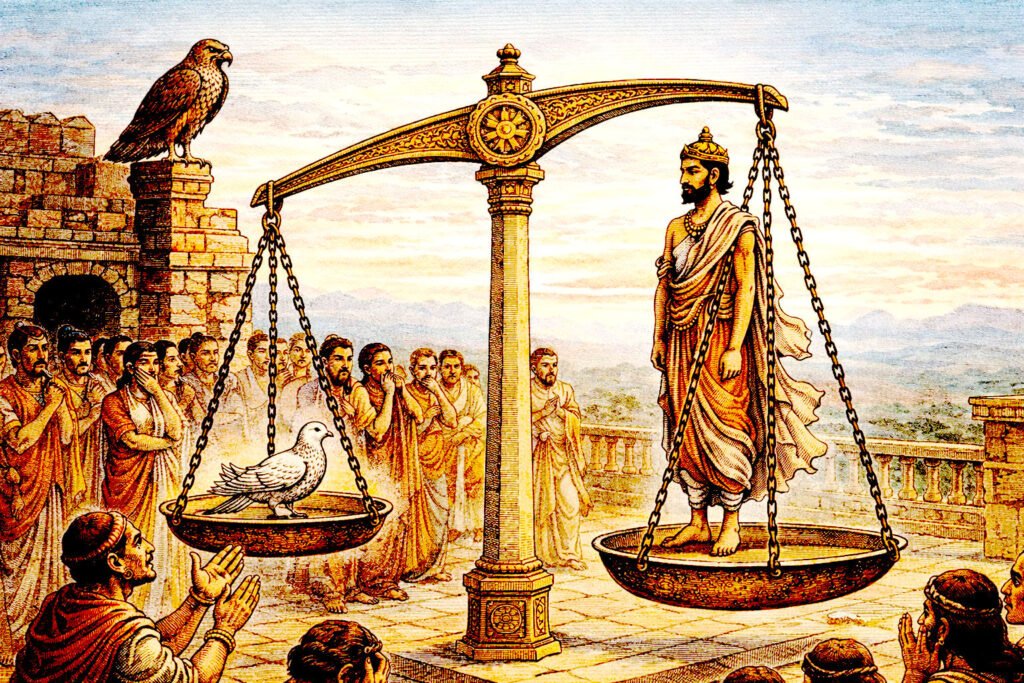
sibi jataka bodhisatta early buddhism

Great Compassion and the Bodhisattva: The Continuity of a Conceptual Structure from Early Buddhism to Mahāyāna Thought

Rather than treating the Bodhisattva as a distinct creation of Mahāyāna, this study proposes that the ideal emerges from a conceptual structure already discernible in early Buddhist texts. Through an analysis of great compassion as an existential commitment illuminated by wisdom, the article shows that Mahāyāna did not invent the Bodhisattva ex nihilo, but universalized and systematized an earlier nucleus. Continuity, not rupture, best explains the development of the Bodhisattva ideal.

Great Compassion and the Bodhisattva: The Continuity of a Conceptual Structure from Early Buddhism to Mahāyāna Thought Read More »

jhana between mind and world

Between Mind and World: The Function of Jhāna in the Nikāyas

This article argues that jhāna in the Nikāyas is neither merely a psychological technique nor a metaphysical union with an ultimate self. Through textual analysis, it shows that jhāna functions as an intermediate mode of experience—restructuring subjectivity while expanding the scope of cognition. In doing so, it illuminates how early Buddhist meditation operates between mind and world without presupposing an immutable self.

Between Mind and World: The Function of Jhāna in the Nikāyas Read More »

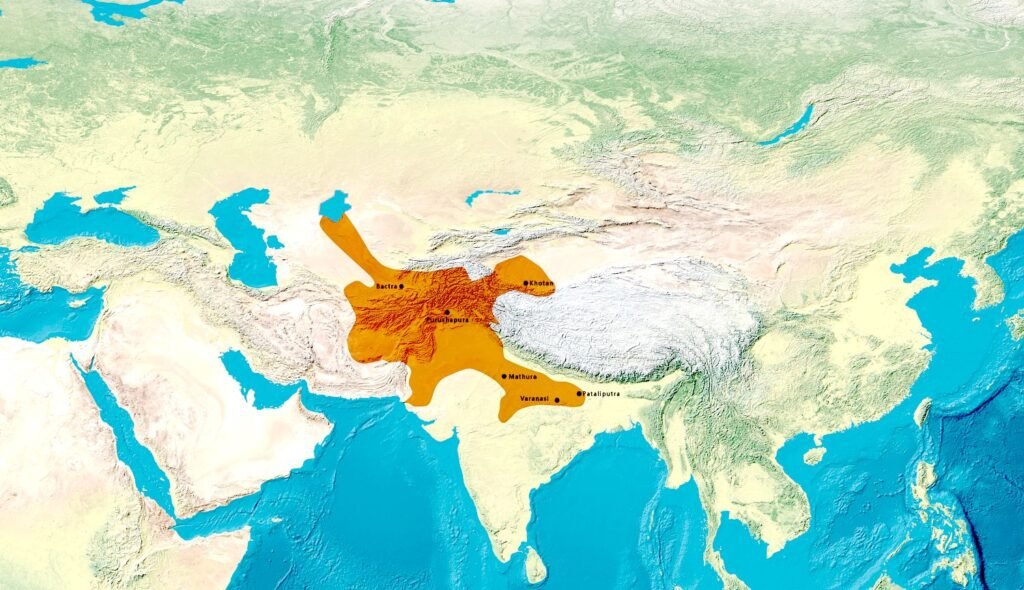
kushan empire territorial extent map

Dating Kaniṣka: Chronology, Imperial Memory, and the Evolution of Kushan Buddhist Historiography

Debates over Kaniṣka’s chronology reveal more than a disagreement over dates. Each proposed era reconfigures the relationship between empire, Sarvāstivāda scholasticism, and doctrinal consolidation. This study examines how shifts from textual to archaeological authority transformed both the proposed chronology and the structure of Buddhist historiography.

Dating Kaniṣka: Chronology, Imperial Memory, and the Evolution of Kushan Buddhist Historiography Read More »

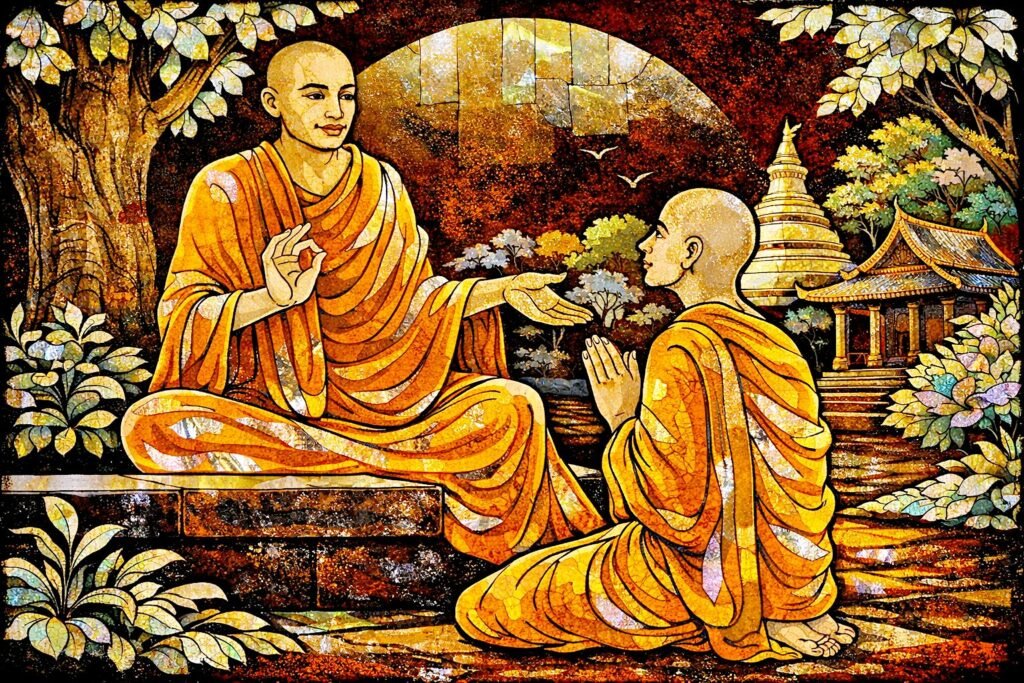
buddhist meditation kalyanamitta and disciple under bodhi tree

Personality and Meditation Objects: A Classical Psychological Structure in the Visuddhimagga

This article reexamines the six carita in the Visuddhimagga as a classical model of personality oriented toward liberation. Rather than fixed identity types, the carita function as conditioned patterns of reactivity paired with specific meditation subjects through a deliberate logic of matching. The system thus operates as a form of applied pre-modern psychology. Yet its ultimate aim is not to refine personality, but to weaken identification with it—revealing personality as the starting point of a process of transcendence.

Personality and Meditation Objects: A Classical Psychological Structure in the Visuddhimagga Read More »

arahant four fruits nikaya structure

The One Way and the Four Fruits: Reconsidering the Structure of Liberation in Early Pāli Buddhism

This article reexamines the Four Noble Fruits in the Nikāyas, arguing that they are not post-mortem destinations within a stratified cosmology, but successive degrees in the dismantling of the conditions for rebirth. By foregrounding the eradication of fetters (saṃyojana) as the decisive criterion, it shows that cosmological language functions as the expression of transformed mental structure rather than as an independent spatial taxonomy. The Four Noble Fruits thus emerge as a dynamic of cessation within a single Way—an internally coherent process grounded in dependent origination rather than in metaphysical positioning.

The One Way and the Four Fruits: Reconsidering the Structure of Liberation in Early Pāli Buddhism Read More »

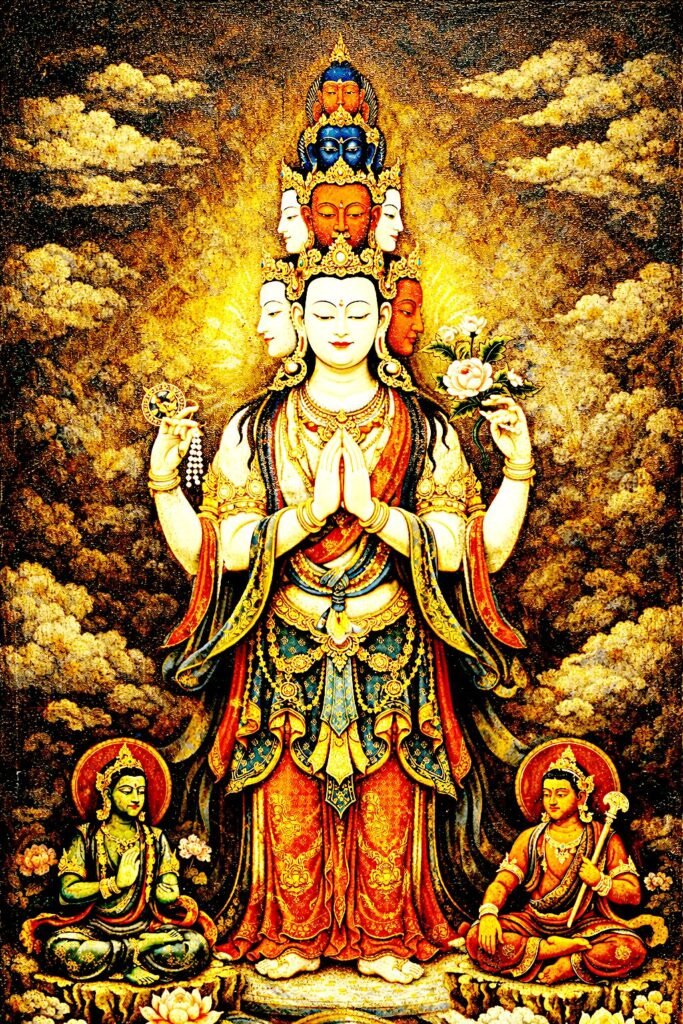
ekadasamukha avalokitesvara gilgit pre tantric phase

Avalokiteśvara in the Gilgit Manuscripts: Evidence of a Pre-Tantric Phase in Sixth-Century Indian Mahāyāna

Often described as a radical rupture, Buddhist Tantra may instead represent a gradual transformation within Mahāyāna. The sixth-century Gilgit manuscripts—particularly the Ekādaśamukha-dhāraṇī and the Hṛdaya-vidyā—reveal mantra structures and ritual mechanisms already taking shape. Rather than sudden innovation, Tantra emerges here as the systematization of an evolving devotional and sonic practice.

Avalokiteśvara in the Gilgit Manuscripts: Evidence of a Pre-Tantric Phase in Sixth-Century Indian Mahāyāna Read More »