From Gaja-Lakṣmī to Māyādevī: The Reconfiguration of the Buddha’s Nativity Iconography in Early Indian Buddhist Art
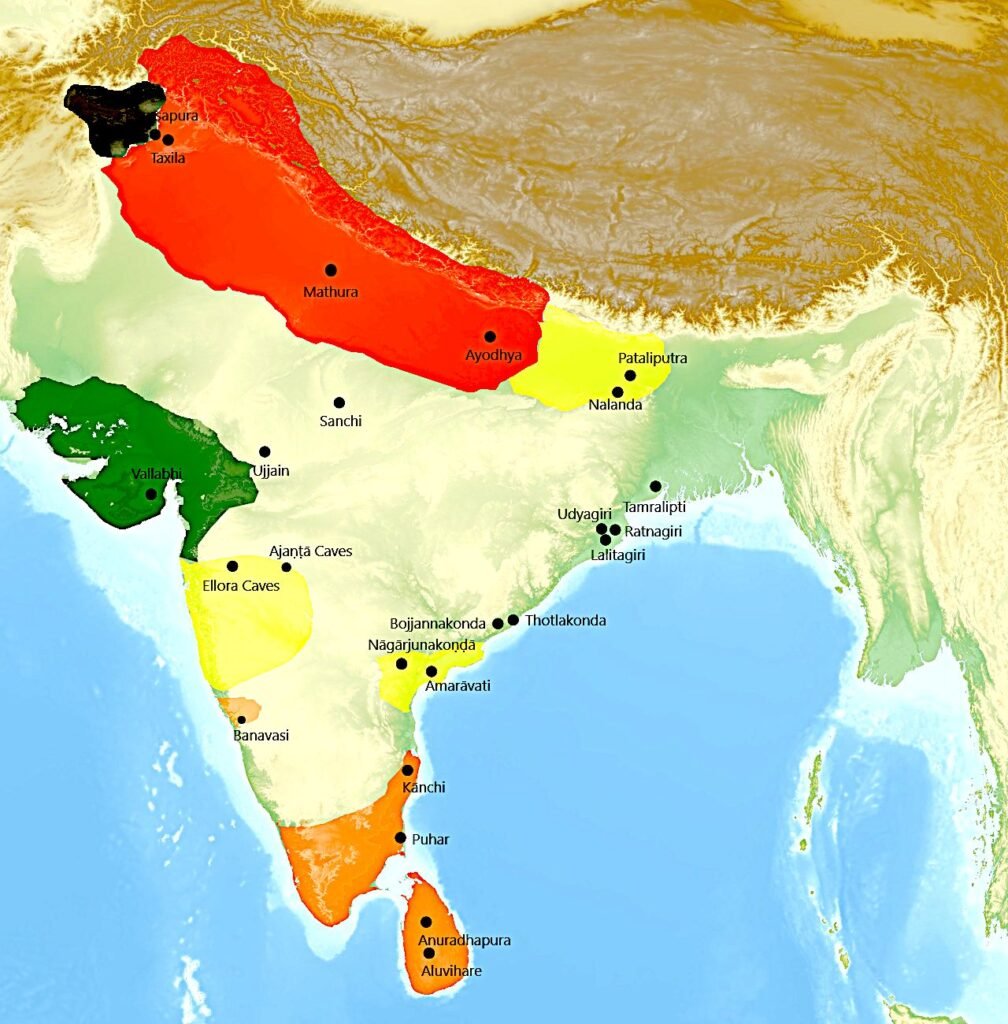
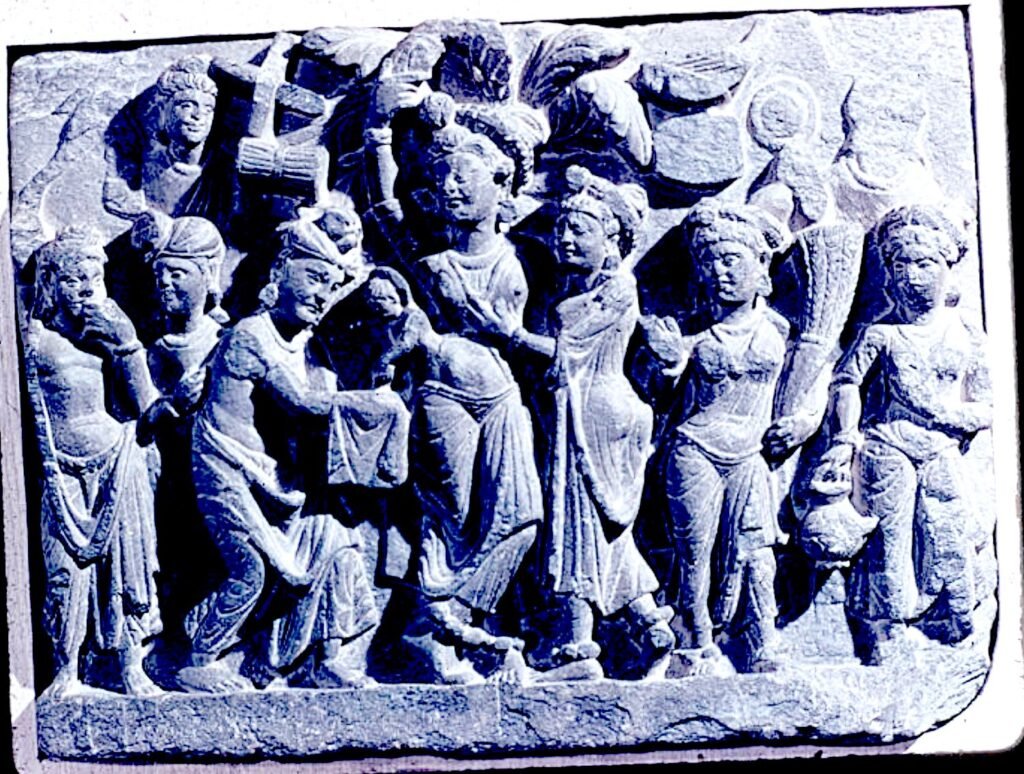
Is the iconography of the Buddha’s nativity a borrowing from the Gaja-Lakṣmī motif, or a distinct Buddhist invention? This essay moves beyond that binary. Examining Bharhut–Sanchi, Amarāvatī, and Gandhāra, it argues that early Buddhist art operated within a shared symbolic ecology in which visual forms could remain continuous while their theological meaning was reoriented. The nativity scene thus marks not a simple transfer of motifs, but the emergence of a new visual theology within an inherited symbolic world.